The Role of Luck in Gambling
Luck plays a crucial role in the world of gambling, often determining the outcomes of various games, from slot machines to card tournaments. While skill and strategy can influence results, chance remains a fundamental aspect that players must contend with. Every bet placed is an embrace of uncertainty, with the understanding that fortune can turn in an instant. For instance, in games like roulette, players depend on where the ball lands, showcasing pure chance devoid of any skill involvement. Additionally, many enthusiasts explore casinos sister sites that offer similar thrilling experiences, enhancing their gaming journey with diverse options available. The randomness inherent in such games can evoke both excitement and apprehension, creating a unique atmosphere that keeps players engaged.
The unpredictability of luck elevates the excitement of gambling. It creates an emotional rollercoaster for players as winning and losing come in waves influenced by factors entirely beyond their control. This element of chance draws people to gambling; the allure of a lucky streak encourages even the most cautious individuals to take a chance. Various psychological studies indicate that the thrill associated with luck can lead to a temporary state of euphoria, further solidifying why many are drawn to games of chance. The anticipation of a big win can overshadow the potential for loss, prompting players to continue pursuing their luck.
Additionally, the significance of luck is perpetuated by cultural narratives surrounding gambling. Many believe in ‘lucky’ numbers, rituals, or even objects thought to influence outcomes in their favor. This blend of superstition and chance highlights how deeply ingrained the notion of luck is within gambling communities. It fosters a unique social environment where tales of fortunate wins are celebrated, creating a shared bond among players, regardless of their backgrounds. As these stories circulate, they contribute to the collective belief in luck, further intertwining chance with the gambling experience.
The Science Behind Chance
The mechanics of chance in gambling involve probabilities that can generally be quantified, illustrating how luck operates within a structured framework. Different games possess varying odds, which dictate the likelihood of winning. For example, in poker, understanding the probabilities of drawing certain hands can empower players, yet the element of luck remains a critical factor in the outcomes of each round. These odds are meticulously calculated but can never rule out the randomness that luck introduces into each game. This creates an intriguing dynamic where skill and luck coexist, often blurring the lines between the two.
Moreover, industries analyzing gambling often employ statistical models to evaluate the impact of chance. Researchers examine trends, patterns, and probabilities, yet they consistently find that luck is an unpredictable force that can dominate over long sessions of skilled play. Consequently, even the most seasoned players encounter days when luck does not favor them, reinforcing the notion that chance cannot be entirely harnessed. Therefore, players are reminded that regardless of their skill level, they are at the mercy of luck, which can swiftly change the tides of fortune.
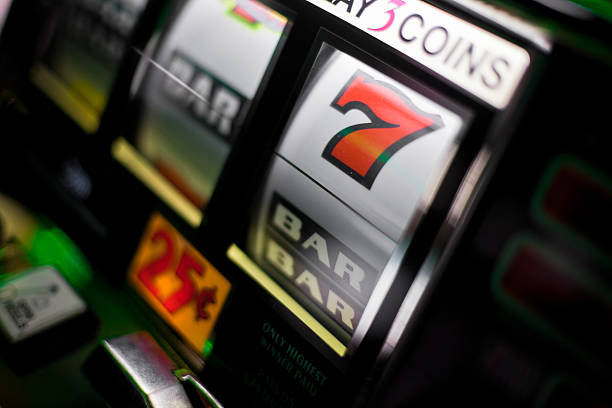
In many ways, the science behind chance serves to enhance the thrill of gambling. Each spin of a wheel or shuffle of cards is laden with potential, thrilling players with the possibility of seemingly impossible outcomes. This unpredictability is what keeps people returning to games, leading to a cycle of hope and excitement. As players often dwell on their lucky moments, it’s clear that the relationship between luck and chance is both complex and integral to the gambling experience. This intricate dance between skill, strategy, and luck keeps the gambling landscape vibrant and ever-evolving.
The Psychology of Luck and Gambling
The psychological aspect of luck in gambling is profound, influencing how people perceive their chances and outcomes. Gamblers often develop a cognitive bias, attributing their wins to skill while blaming losses on external factors. This phenomenon can give rise to the illusion of control, where players feel they can manipulate luck through strategies or behaviors. Understanding this psychological component reveals why many continue to engage in gambling despite apparent odds against them. The mental gymnastics involved in rationalizing outcomes can create a compelling narrative that keeps players invested in their next bet.
Furthermore, the impact of past experiences shapes gamblers’ beliefs about luck. A player who wins repeatedly may enter a ‘hot streak’ mentality, convinced that their luck will continue. Conversely, a series of losses can lead to a feeling of being ‘due’ for a win, prompting them to increase their bets in hopes of reversing their fortune. These psychological perceptions not only drive individual behavior but also affect broader gambling trends within certain communities. The cyclical nature of wins and losses can create a feedback loop, reinforcing players’ beliefs about their luck and influencing their gambling decisions.
Community dynamics also play a role in the psychology of luck. Many gamblers share stories of their experiences, reinforcing the belief in luck while fostering a sense of camaraderie. Discussions around lucky venues or machines can create collective assumptions about certain locations being luckier than others. These shared beliefs further complicate the understanding of luck in gambling, intertwining personal experiences with community narratives, and ultimately enhancing the allure of games of chance. As players engage in these conversations, they contribute to a rich tapestry of shared beliefs surrounding luck, further embedding it into the gambling culture.
The Cultural Significance of Luck in Gambling
Throughout history, different cultures have imbued gambling with various interpretations of luck. From ancient civilizations to modern societies, luck has often been centered in folklore, leading to specific rituals and superstitions aimed at attracting good fortune. For example, certain cultures have developed unique practices like rubbing a lucky charm or avoiding specific numbers deemed unlucky. These practices highlight the diverse ways people connect with the concept of luck while engaging in gambling. The cultural significance of these rituals often extends beyond the games themselves, influencing social interactions and community bonding.
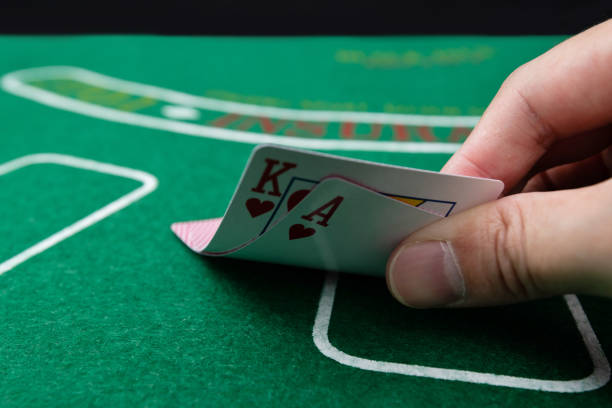
Moreover, gambling games themselves often reflect cultural beliefs surrounding luck. In many cultures, traditional games are designed not just as entertainment but also as a means to connect with the divine or spiritual realm. This intertwining of luck with tradition underscores the profound significance of chance in gambling, as people seek deeper meaning in their experiences, often viewing wins or losses as reflections of fate rather than mere random occurrences. This perspective can add layers of meaning to the act of gambling, transforming it from a simple game into a ritualistic endeavor.
As globalization has increased, the blending of various cultural practices around luck and gambling has created a rich tapestry of beliefs. Different traditions influence modern gambling contexts, leading to a fascinating mix of rituals and superstitions. Whether through the use of specific colors for good luck or communal storytelling around shared experiences, the cultural significance of luck in gambling continues to evolve, illustrating the universal desire to understand and influence chance. This evolution presents a dynamic landscape where cultural beliefs and individual experiences intersect, shaping how luck is perceived in the gambling world.
Exploring More on Gambling and Luck
If you are intrigued by the intricate relationship between luck and gambling, there are various resources available to deepen your understanding. Through dedicated forums, articles, and expert analyses, you can explore topics surrounding chance, strategies, and cultural perspectives. Engaging with like-minded individuals can enhance your appreciation for what luck entails in gambling and its psychological components. This exploration can lead to a more informed approach to gambling, allowing you to navigate the complexities of chance with greater awareness.
For those interested in practical experiences, try engaging in games that celebrate chance and luck. By exploring different environments and practices, you can gain insights into how luck is perceived and experienced across various platforms. This exploration allows for a richer appreciation of gambling as not just a game of chance but an intricate dance with luck, skill, and even culture. As you immerse yourself in these experiences, you’ll develop a nuanced understanding of the forces at play in the world of gambling.
Ultimately, understanding the complexities of luck in gambling can transform how you approach games of chance. Embracing the unknown and giving space for both strategy and luck can create a more enriching gambling experience. As you navigate this fascinating world, remember that luck is an essential player, weaving itself into the fabric of every bet placed and every game played. By recognizing the significance of luck and chance, you can engage more deeply with the gambling experience, appreciating its highs and lows along the way.