The Allure of Ambiance
The ambiance of a casino is meticulously crafted to create an inviting yet stimulating environment, where players may find opportunities like a $10 neosurf deposit casino to enhance their experience. This design strategy leverages lighting, colors, and sounds to produce emotional responses that can enhance the gaming experience. For instance, soft, warm lights make areas feel cozy while vibrant colors stimulate excitement. The use of auditory cues, such as the sounds of coins clinking or cheerful music, serves to engage patrons further, drawing them in for extended periods. This multi-sensory experience taps into psychological principles that can lead to increased time spent in the establishment, as guests are enveloped in an atmosphere that feels both luxurious and exhilarating.
Additionally, the use of space in a casino is intentionally designed to maintain a balance between comfort and stimulation. Open layouts may encourage exploration, while smaller, more intimate spaces provide an opportunity for social interactions and a sense of security. The flow of the casino often directs players toward high-stakes areas, enticing them to try their luck. By guiding guests through a carefully curated journey, casinos can keep players engaged while subtly steering them toward their gaming choices. This intricate design fosters an environment where patrons feel a sense of adventure and anticipation, which can enhance their overall experience.
The psychological impact of the casino environment cannot be underestimated. Patrons often experience a sense of euphoria when surrounded by the glitter and glamor of a casino setting. This euphoric state can encourage them to continue playing, sometimes leading to decisions that may not align with their financial well-being. Hence, the psychological influence of design elements is a powerful tool that casinos employ to enhance the overall gaming experience, ensuring that guests leave with memories—be they good or bad—that keep them returning. This emotional connection is a key factor in why many individuals feel drawn back to casinos time and again, seeking to recapture that exhilarating feeling.
The Role of Reward Structures
Casinos understand that the thrill of winning is a significant driver for player engagement. This understanding is reflected in the reward structures that are seamlessly integrated into the gaming experience. By utilizing variable reinforcement schedules—where rewards are given at unpredictable intervals—casinos maximize the psychological thrill of gambling. Such unpredictability heightens anticipation, keeping players hooked as they hope for that elusive jackpot, which may not come until they’ve spent more than they intended. This approach plays into the brain’s reward system, making each spin or card dealt an exhilarating gamble filled with potential.
The psychology behind losses also plays a crucial role in casino designs. Incorporating features like “near misses”—where players get close to winning but just fall short—can provoke a desire to continue playing. This tactic feeds into the notion of gamblers’ fallacy, where individuals believe they’re due for a win after experiencing losses. The chance to “almost win” can be more motivating than a partial loss, creating a strong incentive for players to remain in the gaming area, often times beyond their budgetary constraints. This psychological manipulation can lead to increased spending as players chase their next big win, driven by optimism and hope.

Additionally, casinos often implement loyalty programs that reward frequent players with bonuses, perks, and exclusive access. This not only reinforces a sense of community among players but also instills a psychological commitment to the venue. The feeling of belonging and the desire for recognition can drive individuals back, encouraging them to spend more time and money in hopes of receiving further rewards. These strategies showcase how casinos intricately weave psychological principles into their design to enhance gambling behavior while fostering a loyal customer base that continues to engage with the brand.
The Impact of Architecture and Layout
The architecture of a casino is not merely functional; it is a visual framework that influences behavior and decisions. High ceilings and expansive spaces evoke a sense of grandeur, while strategically placed columns and walls create pockets of intimacy that invite social interaction. By manipulating space, architects can enhance the feeling of luxury, creating a backdrop that enhances the gaming experience. The layout is also designed to maximize visibility, drawing attention to key attractions such as gaming floors or high-stakes tables, ensuring that these areas remain focal points for patrons as they navigate the space.
Furthermore, casinos often employ a labyrinthine design, where the layout is intentionally complicated. This design choice minimizes the likelihood of players finding their way out quickly, encouraging them to remain longer. By placing gaming machines, bars, and restaurants in seemingly random locations, players are more likely to stumble upon new games or promotions, which can lead to unplanned spending. This design strategy is an essential psychological tool that casinos use to prolong the stay of guests and increase the likelihood of participation, as the unexpected discoveries can spark curiosity and engagement.
The architectural elements of a casino extend beyond mere aesthetics; they create an experience that is immersive and engaging. Innovations such as themed environments allow players to escape reality as they immerse themselves in different atmospheres. From the luxurious elegance of a Monte Carlo-inspired room to a vibrant, retro Las Vegas vibe, each theme presents an opportunity to evoke specific emotional responses, ultimately reinforcing the desire to gamble. Through these architectural strategies, casinos tap into the psychology of exploration and adventure, making each visit unique and compelling, which enhances patron satisfaction and retention.
The Importance of Social Interaction
Social interaction is a pivotal aspect of the casino experience, significantly influencing player behavior and satisfaction. Casinos are designed with communal spaces, such as gaming tables and lounges, where players can engage with one another. This social dynamic can enhance the thrill of gambling, as players often experience heightened emotions when sharing the excitement of wins or commiserating over losses. The feeling of camaraderie fosters a sense of belonging, encouraging players to return to the casino as they associate it with social enjoyment. This social environment is particularly appealing, as it allows for connections that can enhance the overall gaming experience.
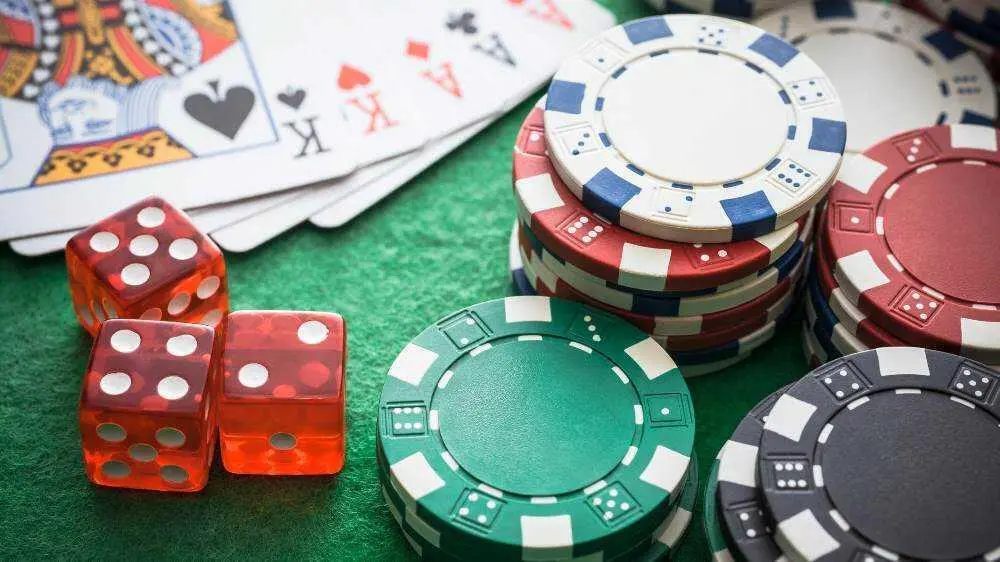
Moreover, social gaming options—like poker tournaments and group betting scenarios—invite players to collaborate, creating an environment that can be intensely stimulating. Casinos often host events and promotions that are designed to encourage group participation, further solidifying the social aspect of gambling. This not only enhances the experience for individuals but also cultivates a lively atmosphere that draws in new patrons. The intertwined nature of gambling and social interaction is a factor that casinos skillfully harness to enhance engagement and create a vibrant community around their offerings.
Casinos also tap into social proof as a psychological motivator. When players see others winning or having fun, they are more likely to want to participate. The layout of a casino often positions high-traffic games in prime locations to maximize the number of onlookers, utilizing the psychology of observation to encourage participation. This dynamic creates an atmosphere that epitomizes excitement, serving as a powerful influence on decision-making and engagement. The social validation that comes from being part of a community of players can significantly impact an individual’s willingness to gamble, reinforcing the psychological pull of the environment.
Understanding the Importance of Online Presence
In today’s digital age, an online presence has become paramount for casinos aiming to engage a broader audience. A well-designed website serves as both a marketing tool and a platform for interaction, allowing potential customers to learn about offerings and promotions. Just as physical casinos rely on ambiance and design to attract patrons, their online counterparts must focus on creating an engaging user experience that mimics the excitement and allure of the actual casino environment. This digital experience must resonate with users to evoke a sense of connection, similar to that found in a physical setting.
Effective online design incorporates elements that reflect the casino’s brand and atmosphere while also being user-friendly. High-quality visuals, interactive features, and easy navigation can simulate the immersive experience of being in a physical casino. Additionally, providing information about games, rules, and promotions online fosters transparency and builds trust with potential guests. By ensuring that users can easily find and understand what’s available, casinos can effectively convert casual visitors into loyal players, enhancing their overall market presence and competitiveness.
Furthermore, a robust online presence enables casinos to engage with their audience through social media and digital marketing strategies. These platforms allow for ongoing interaction, promotion of events, and customer feedback, which can inform improvements in both the online and physical spaces. By creating a community around the casino brand, operators can enhance loyalty and encourage continuous engagement, ultimately impacting their bottom line positively. The psychological connection established through an effective online presence is crucial in today’s competitive landscape, as it extends the reach and influence of the casino brand beyond its physical walls.