The origins of casino entertainment
The concept of casino culture can be traced back to ancient civilizations where gambling was woven into the very fabric of society. In early contexts, games of chance were often part of social gatherings, serving both as entertainment and a means of bonding. Ancient Rome, for example, had a variety of games that were played during festivals, and even the Greeks engaged in betting on athletic contests, leading to innovations like casino fast withdrawal uk that enhanced the experience of players. This early adoption of gambling laid the groundwork for what would evolve into modern casino culture.
As societies progressed, so did the forms of gambling. By the 17th century, formal gambling houses began to appear in Europe, most notably in Italy, where the word “casino” originates. These establishments were initially small, private, opulent venues that catered to the aristocracy. The allure of poker and other card games solidified the casino’s place in social settings, transforming them into hotspots for the elite. It was during this time that the foundations of contemporary gambling practices began to take shape.
During the late 19th and early 20th centuries, the concept of casinos began to spread beyond Europe, making its way to the United States. With the establishment of legal gambling in places like Nevada, casinos evolved from mere social venues to elaborate establishments featuring entertainment options such as shows, hotel accommodations, and diverse dining experiences. This marked the beginning of a dynamic culture centered around the casino, blending luxury with a thrill for chance.
The golden age of casinos
The 1950s and 1960s marked a golden age for casinos, particularly in Las Vegas, which emerged as the entertainment capital of the world. The combination of economic prosperity, increased leisure time, and the growth of the tourism industry led to a significant boom in casino culture. Iconic resorts like the Sands and the Flamingo became synonymous with glamorous nightlife and celebrity performances, attracting visitors from all walks of life seeking both excitement and indulgence.
During this era, the influence of pop culture became increasingly intertwined with casino life. Movies like “Ocean’s Eleven” and “Casino” showcased the thrill and allure of gambling, contributing to the mystique surrounding these establishments. As more celebrities began to frequent casinos, they transformed into destinations not just for gambling but for high-profile events, lavish parties, and extravagant performances. This symbiotic relationship between entertainment and gambling laid the groundwork for future developments in casino culture.
However, this period wasn’t just defined by glitz and glamour; it also saw significant changes in gambling laws and regulations. Various states and countries began to rethink their stances on gambling, leading to the establishment of casinos in places previously opposed to such enterprises. The opening up of new markets led to a diversification of casino culture, reflecting local traditions and tastes, and creating a rich tapestry of gambling experiences across the globe.
Modernization and technological advancements
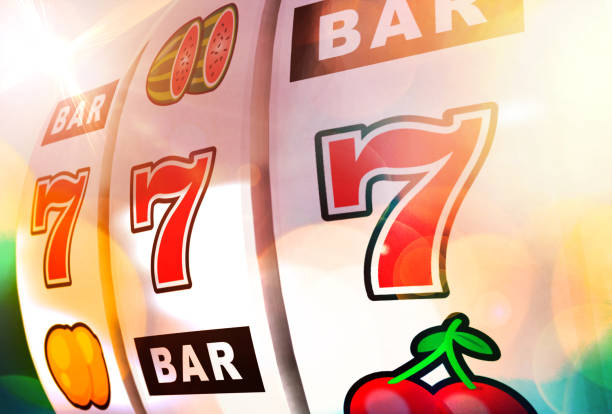
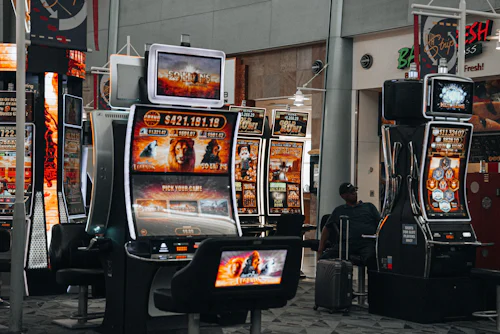
Entering the late 20th century, the casino industry experienced transformative changes driven by technological advancements. The introduction of electronic gaming machines and slot machines revolutionized the gambling landscape. These innovations not only enhanced the gaming experience but also attracted a new demographic of players who preferred the ease of electronic gaming over traditional table games. This shift contributed to casinos generating significant revenue, making them essential components of the gaming industry.
The rise of the internet in the late 1990s introduced online gambling, further expanding the scope of casino culture. Online casinos began to gain traction, allowing players to experience the thrill of gambling from the comfort of their homes. This evolution challenged traditional brick-and-mortar establishments to innovate and enhance their offerings. Many casinos responded by integrating online platforms to reach a broader audience, thus merging the physical with the digital.
Today, advancements in technology continue to shape the casino experience. Innovations like virtual reality and augmented reality are increasingly being integrated into gaming, providing immersive experiences that capture the imagination of players. These changes signify a cultural shift, wherein casinos are not merely venues for gambling but are evolving into multifaceted entertainment hubs that cater to diverse interests, including dining, shopping, and live performances.
Global expansion and cultural integration
The globalization of casino culture has led to a remarkable blend of styles, themes, and gambling practices across different cultures. Countries in Asia, particularly Macau, have emerged as significant players in the casino industry, challenging the long-standing dominance of Las Vegas. The unique offerings in these regions, such as traditional games like Baccarat, resonate with local customs and appeal to both tourists and local gamblers alike, promoting cultural integration.
In Europe, countries like Spain and France have witnessed a resurgence in casino popularity, driven by a blend of traditional gaming and modern entertainment options. European casinos often focus on creating an upscale experience, integrating elegance with hospitality to attract a sophisticated clientele. This diversification illustrates how local tastes and customs can shape the casino experience, leading to unique cultural expressions within the industry.
Moreover, the integration of social gaming and esports has further expanded the reach of casino culture. Younger generations are drawn to these formats, which combine elements of competition and community engagement. As casinos adapt to these emerging trends, they not only attract new audiences but also redefine what it means to participate in gaming culture, ensuring its relevance in an ever-evolving landscape.
The future of casino culture
As we look to the future, the evolution of casino culture appears poised for continued transformation. The combination of technology, globalization, and changing consumer preferences will play pivotal roles in shaping the trajectory of the industry. Online gambling, in particular, is likely to witness further expansion, with innovations in technology enabling casinos to create even more engaging and tailored experiences for players.
Additionally, as the focus on responsible gaming grows, casinos will need to implement more stringent measures to promote safe gambling practices. This shift not only reflects a societal responsibility but also enhances the reputation of casinos as trusted entertainment venues. Providing players with resources and support will be crucial in maintaining a healthy gaming environment.
Furthermore, the ongoing integration with entertainment, hospitality, and technology will continue to redefine the casino experience. By embracing new trends and innovations, casinos can evolve into hybrid spaces that appeal to a wider audience. The future of casino culture promises to be dynamic and diverse, reflecting a continuum of change that honors its rich history while looking forward to new possibilities.